London Removal in London

London Removal in London means organised help with moving household or business items when you want the work handled in a clear, practical way. Our main focus is the removal itself: loading, carrying, transporting and placing belongings with care, plus the extra steps that support a smoother move. If you are planning a home move, changing offices or need a smaller van-based collection, the right service depends on access, volume, distance and the level of handling involved.
We provide a service built around the move rather than a one-size-fits-all package. That can include full-property removals, partial loads, furniture collection and smaller man and van jobs where a compact vehicle and experienced lifting are the better fit. For some customers, the aim is a simple point-to-point transfer; for others, it is a fuller moving service with packing support, dismantling, reassembly or several stops on the route.
To request a quotation, it helps to share what needs moving, where it is going and any access details that may affect handling. A short, accurate description is usually more useful than a long explanation. You can also review our pricing and quotes page if you want to understand the usual factors that shape a removal estimate before you enquire.
Home removals arranged around the property, not just the boxes

Home removals need more than transport. The process often starts with the order of the property, the number of rooms, the size of the furniture and how much time is needed for loading and unloading. We handle domestic moves with an eye on the practical sequence: what should leave first, which items need protection, and how to reduce avoidable lifting and delays. That approach matters whether the move is across town or involves a more complicated route with lifts, stairs or limited parking.
Household moves can involve anything from a few larger items to the contents of an entire home. Sofas, wardrobes, beds, tables, white goods and packed boxes all require different handling. Some pieces may need dismantling before they can be carried safely, while delicate belongings may need wrapping or separating so they travel securely. Our home moves service is suited to customers who want that domestic relocation managed as a single organised job rather than a collection of unrelated tasks.
When planning a move, it is sensible to note the access at both ends, the likely parking position and any items that need special care. Accurate details help shape the vehicle choice and loading plan, and they can also show whether a larger team or a smaller moving van is more suitable. If you are comparing options, our house removals page sets out a fuller domestic removal service for complete property moves.
House removals for mixed loads and careful handling

House removals are rarely just about moving furniture from one address to another. A proper service considers weight, fragility and the order in which items should be taken out of the property. Heavy items may be moved first to create space, while boxed contents can be arranged to keep the load balanced during transit. This reduces unnecessary handling and helps each stage of the move feel more controlled.
Some customers need help with a standard family home move; others need a more tailored approach for a smaller property, a flat or a house with awkward access. Our house movers page covers the general domestic moving service, while house removalists is useful if you want to understand the broader removal support available for home contents. These pages sit alongside the practical moving work itself and help you choose the right level of assistance.
There are also moves where flexibility matters as much as capacity. If you are taking only part of a household, moving a few items into storage or shifting the contents of a single room, a smaller vehicle may be more efficient than a full-size removal truck. For that kind of job, our man and van option is often the most straightforward fit, especially where the load is manageable but still needs careful lifting and transport.
Commercial moves for offices, workspaces and equipment
Commercial moves need planning that reflects the rhythm of the business as well as the weight of the equipment. Desks, chairs, filing, screens, archive boxes and shared resources all need to be moved with the right sequence so that the relocation does not become disorganised. We handle office and business removals with that practical structure in mind, keeping the work focused on safe transfer and sensible timing rather than unnecessary disruption.
Businesses often have different priorities from households. A small office may need a simple relocation of a few workstations, while a larger premises may involve more coordinated movement of furniture, stock or archives. Our office removals service supports those kinds of moves, and the broader commercial moves page is useful where the job includes equipment, internal rearrangement or multiple teams across one site. The aim is to keep the move practical and structured from start to finish.
For some commercial jobs, the main challenge is access rather than volume. Ground-floor loading is not always possible, lifts may be shared, and certain pieces may need to be carried through tighter routes. In those cases, clear preparation is valuable: measure key items, note access restrictions and identify anything that should be handled separately. If you want to understand how we approach business relocations in more detail, office relocation services gives a useful overview of the moving support available.
Flexible van-based removals for smaller or simpler jobs

Not every move needs a full-scale vehicle and a large crew. Sometimes the right answer is a van-based removal that gives enough space for the load without making the job unnecessarily complex. This can be ideal for a single bulky item, a small flat, student belongings, or a few pieces of furniture that need to move together. The benefit is straightforward: the service stays focused on the items you actually need moved.
Our van-based options are designed for customers who want practical transport with the right amount of loading help. The pages for moving van, moving truck and removal van reflect the range of vehicle-led solutions that may suit different kinds of loads. Some jobs are best served by a compact vehicle that can access tighter streets more easily; others simply need more carrying space and stronger load support.
If you are considering this kind of move, it is useful to think about item size, the number of trips likely required and whether the destination has any restrictions on parking or unloading. A smaller move can still benefit from careful planning, even when the overall volume is modest. The right vehicle choice often saves time and reduces handling, which is why many customers prefer to decide on the scale of support before the move day itself.
Packing, unloading and practical moving support

Packing is often the difference between an awkward move and a more orderly one. Even where the main service is removal rather than packing, the way items are boxed and grouped affects how safely they travel. Fragile items need secure wrapping, mixed contents should be packed with sensible weight distribution, and boxes should be labelled clearly enough to help with unloading. Our packing and unpacking services page explains the kind of support available when you want more than transport alone.
Some customers prefer to handle packing themselves but still need help with carrying, loading or placement at the destination. That is often a good fit where the belongings are already organised but the physical lifting is the harder part. Others want help at both ends, especially when furniture must be positioned in the correct rooms or when certain items need to be handled separately from the main load. The removal process works best when each stage is kept simple and realistic.
Before you request a quotation, make a short list of the main items, mention any stairs or access limits and note whether dismantling or reassembly is likely to be needed. Keep it brief and specific. If you are ready to enquire, our contact us page is the direct place to send the details and ask for a quote. We aim to keep the enquiry process straightforward, so the clearer the move, the easier it is to match the right service to it.
Furniture collection, single items and mixed loads
Furniture collection is often part of a wider removal plan, but it can also stand alone as a smaller job. Large items still need the same care as a house move: protection during carrying, suitable lifting technique and a vehicle that can hold the item securely. Sofas, beds, wardrobes and tables each present their own handling questions, especially where doorways, corridors or staircases are tight. A sensible approach avoids rushed movement and reduces the risk of damage.
Our furniture pick-up page suits customers who need one or more items collected and delivered without turning the job into a full domestic relocation. This can work well for purchases, replacements, room refreshes or the transfer of furniture between addresses. When several unrelated pieces need moving together, the load can often be arranged more efficiently if the item list is shared in advance, even if the collection remains relatively simple.
Some jobs also involve items that are not standard household furniture but still need careful loading and transport. That is where a broader removal services approach can be useful, because it brings the various moving tasks under one practical plan. Whether the load is large or small, the main aim is the same: move items securely, keep the arrangement sensible and place them where they belong at the end of the journey.
Choosing the right removal format for the job
Different moves call for different formats, and the best choice depends on the amount to move, the type of items involved and how much handling support you want. A full house move, a small van collection and a commercial relocation all share the same basic principle, but they differ in scale and timing. Selecting the right format makes the service more efficient and helps avoid paying for capacity you do not need.
The pages for removals, movers and removals near me represent broad options in the moving range, while man with a van and man with van removal point to smaller or more flexible jobs. These are not different in principle so much as different in scope, and the right decision comes down to what needs moving and how it should be handled. A clear item list and access notes are usually enough to narrow the choice.
Where a move includes storage drops, partial loading or one-off heavy items, it may be best to stay with the simplest workable option rather than overcomplicate the plan. We also recommend thinking about whether the job would benefit from extra packing support or from a second loading stop. A short, honest description is often the quickest path to the right quotation and avoids unnecessary back-and-forth.
About London
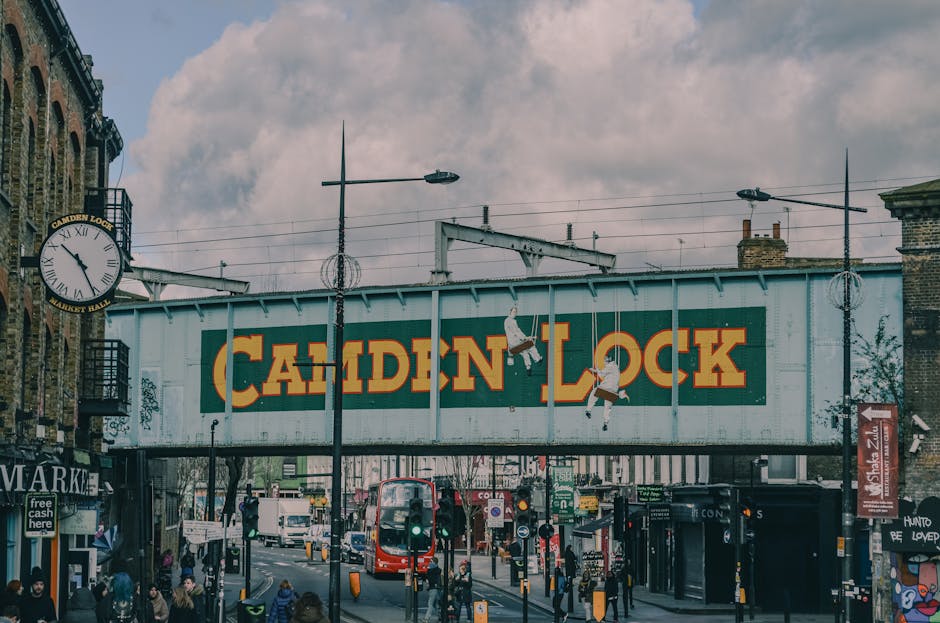
London is one of the world’s most historically layered cities, shaped by the River Thames, centuries of expansion and a patchwork of districts that each retain a distinct character. The City of London grew from Roman origins, while Westminster developed as a political and royal centre; together they sit within a much larger metropolis that has long spread across former villages, estates and industrial land. The Thames remains a defining feature, with bridges, embankments and riverside walks linking neighbourhoods that once developed quite separately. In the west, the wide open spaces of Hyde Park and Kensington Gardens provide a contrast to the dense streets of the West End, while east and south of the centre, former docks, railway corridors and warehouse districts have been reshaped into new housing, offices and cultural venues. The city’s transport network, from Underground lines to mainline rail termini and buses, has also helped make different parts of London feel interconnected despite their size. Landmarks such as the Tower of London, St Paul’s Cathedral, the South Bank, Covent Garden and Greenwich reflect different chapters of the capital’s story, from medieval trade to maritime power and modern arts. At the same time, residential streets, markets, libraries, theatres and local parks give the city a day-to-day rhythm that sits alongside its global reputation.
Practical planning for a smoother move
Good planning usually starts with a realistic view of what needs to happen on the day. A move is easier to manage when the main items are identified in advance and the order of loading is sensible. It can also help to separate belongings by room or by priority, especially if there are items you need quickly after arrival. That does not mean overthinking every box; it means keeping the process organised enough that the main work stays efficient.
It is also worth thinking about the destination before the move begins. If the new property has narrow hallways, stairs, limited parking or shared access, those details may influence both the vehicle choice and the time needed for the job. The same applies if a business premises has loading restrictions or building rules. A concise set of details is usually enough to shape the plan, and it helps the service stay focused on what matters most: safe transport and controlled placement.
For a straightforward quote, send the key information rather than a long explanation. If you need to compare services first, review the pages most relevant to your move and then ask for a quotation when you are ready. The final step is simple: tell us what needs moving, where it is going and when you want it arranged.
Additional support, service choices and final quotation step
Some customers need a service that combines several moving tasks, such as packing, loading, transport and placement at the other end. Others only want a brief collection or a single room moved. Because the work varies so much, it is useful to select the nearest match rather than assume every removal must be the same. The strength of a practical removal service is that it can be adapted without adding unnecessary complexity.
For broader company information, you can also look at about us, while our insurance and safety page explains the care and risk considerations involved in the moving process. If you are weighing up how the job should be handled, those pages sit alongside the core removal options and may help you decide what level of support is most appropriate. The key is to match the service to the load, access and route, not to force the job into the wrong format.
If you are ready to move forward, contact us to request a quotation and share the details of your removal. A clear note about the items, the addresses and the access arrangements is usually enough to begin. We welcome straightforward enquiries, and the fastest way to get a useful response is to keep the description focused on the move itself.