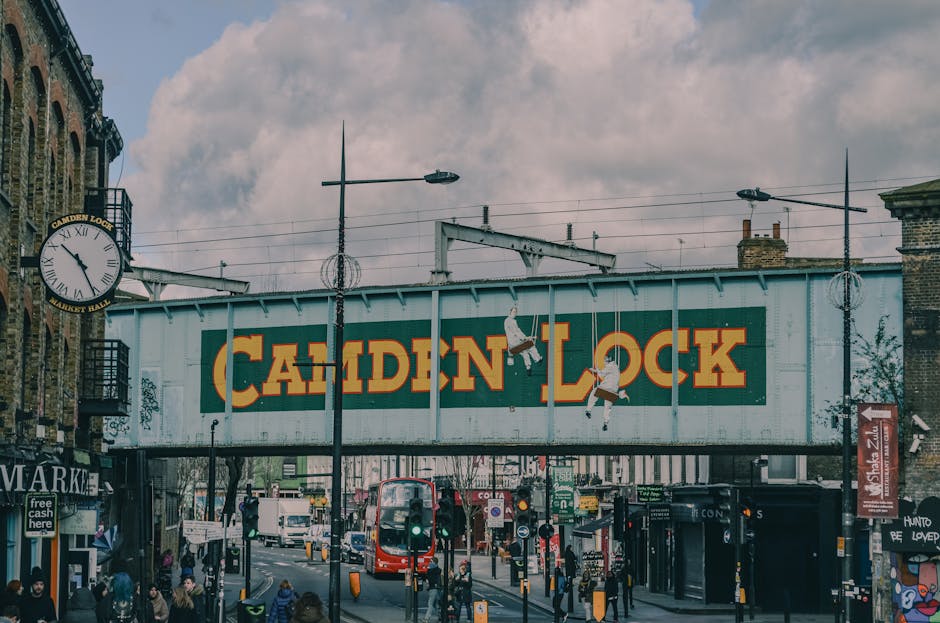
Camden removals guide Kings Cross Euston
If you are planning a move around Camden, Kings Cross, or Euston, the logistics can feel a bit more complicated than a standard London relocation. Tight streets, busy junctions, stairs in older buildings, and awkward loading points all change the game. This Camden removals guide Kings Cross Euston is here to make the whole process feel calmer, clearer, and much more manageable. Whether you are moving a studio flat, a family home, or a small office, the right plan will save time, money, and a fair amount of stress.
In our experience, most moving problems in this part of London are not about the boxes. They are about timing, access, parking, building rules, and the tiny details people only notice when the van has arrived. A good removal plan handles those details early. It gives you a path through the chaos.
Below, you will find practical guidance on how local removals work, what to expect, how to compare options, and which mistakes tend to cause the biggest headaches. If you want a broader overview of moving help, you may also find the site's removals, home moves, and man and van pages useful when deciding on the best fit for your move.
Expert summary: A successful move from Camden to Kings Cross or Euston is usually won before moving day. The winners are the people who plan access, packing, timing, and service type early, then leave less to chance.
Why Camden removals guide Kings Cross Euston Matters
This route and its surrounding neighbourhoods sit right in the middle of some of London's most active moving corridors. Camden has a mix of mansion blocks, converted terraces, council estates, newer developments, and narrow residential roads. Kings Cross and Euston add heavy footfall, taxi traffic, rail activity, and delivery pressure. Put simply: moving is never just moving here.
Why does that matter? Because every part of the move has to work together. If your lift is small, if the loading space is limited, or if your moving window is short, the wrong vehicle or an unprepared crew can turn a simple job into a long, expensive one. A well-planned local move respects the street, the building, and your timetable.
There is also the question of reputation and trust. If you are choosing between a general service and one that understands local access conditions, the local knowledge often pays for itself. Not in a dramatic way. More in those quiet, practical moments when someone says, "Right, let's use the side access and keep the larger items for the first run." That kind of judgement matters more than people think.
For people comparing removal providers, the wider choice can be explored through pages like removal company, removal companies, and removal services. Those pages help you understand the service landscape before you commit.
How Camden removals guide Kings Cross Euston Works
At its simplest, a Camden-to-Kings Cross/Euston move works by matching the job size to the right level of support. The move might be a quick man-and-van collection, a full household removal, or a more structured office relocation. The key is not overbuying or underbuying the service.
Here is the practical flow most moves follow:
- Assess the property and access. Think about stairs, lifts, turning space, parking, and how close the van can get to the entrance.
- List what needs moving. Large furniture, fragile items, boxes, appliances, bikes, and anything awkward such as mirrors or flat-pack wardrobes.
- Choose the right service style. For lighter loads, a man with a van may be enough. For larger homes or busy business moves, a more complete solution such as house removals or office removals may be more sensible.
- Prepare parking and timing. In central London, the moving window can matter as much as the distance itself.
- Pack strategically. Label boxes clearly, protect breakables, and keep essentials separate.
- Move in stages if needed. Sometimes the best plan is a first run for bulky items, then a second run for the rest.
That is the basic shape of it. Of course, every move is slightly different. A family leaving a top-floor flat near Camden may need a very different plan from a student moving from a smaller place near Euston on a weekday morning. Same city, very different experience.
Key Benefits and Practical Advantages
Using a structured removals plan for Camden, Kings Cross, and Euston gives you more than convenience. It reduces friction across the whole move. And friction is what eats time.
- Better time control: You can match arrival times, lift access, and loading slots more precisely.
- Less physical strain: Furniture, boxes, and awkward items are moved with better handling and fewer risky lifts.
- Reduced disruption: Neighbours, building managers, and colleagues are less likely to be inconvenienced.
- Cleaner planning: You know what is happening, when, and who is responsible for what.
- More suitable vehicle choice: A proper moving van or truck can make a big difference to efficiency.
There is also a less obvious benefit: confidence. Once the plan is sorted, the move stops feeling like a looming cloud and starts feeling like a series of tasks you can actually finish. That shift in headspace is huge. A bit boring, maybe. Very useful, absolutely.
If your move involves heavier items or furniture clearance, it can help to look at moving van and furniture pick-up options too, especially when you are trying to combine transport and disposal in one go.
Who This Is For and When It Makes Sense
This guide is for anyone moving in or around Camden who needs to get to or from Kings Cross or Euston with as little drama as possible. That includes:
- tenants leaving a flat in Camden for a new place near the stations
- students moving between rooms or shared accommodation
- families relocating within north and central London
- small businesses shifting stock, files, or office furniture
- landlords, agents, and property managers arranging end-of-tenancy moves
It makes sense whenever the move is affected by tight access, limited time, shared buildings, or a mix of furniture and delicate items. Truth be told, even short-distance moves can become surprisingly technical in this area.
If you are moving commercially, the more relevant route may be commercial moves or office relocation services. If it is a home move, the more relevant starting point is usually home moves or house movers.
Step-by-Step Guidance
Here is a practical process you can follow. It is not glamorous, but it works.
- Start with the access picture. Measure doorways, staircases, lift dimensions, and any awkward bends. If you have a sofa that barely made it in, you already know why this matters.
- Separate the move into priority groups. Essentials, fragile items, large furniture, and items you can move yourself later.
- Choose your vehicle and crew size. A smaller load may suit man and van removals, while a larger household might need a full team and a larger vehicle.
- Decide whether packing help is needed. If you are short on time or moving breakables, packing and unpacking services can take the pressure off.
- Check timing around traffic and building rules. In central London, a 9 a.m. start can behave very differently from a 9 a.m. start somewhere quieter.
- Protect key items. Mattress covers, blankets, tape, labels, and wardrobe boxes all help. Nothing fancy. Just sensible.
- Plan the destination first, not last. If the new place has tricky access too, tell the mover in advance. That one detail saves a lot of back-and-forth.
A small but important point: if you are moving a few items only, avoid assuming the smallest option is always the best. Sometimes a slightly larger removal van is actually cheaper overall because it cuts down on multiple trips. One trip. Less hassle. Simpler.
Expert Tips for Better Results
The best moves usually come down to judgement, not brute force. A few simple decisions can change the whole day.
- Book with a realistic buffer. London timing is rarely as neat as people hope.
- Move the hard items first. Wardrobes, beds, desks, and appliances set the rhythm for everything else.
- Keep a single essentials bag. Chargers, documents, medication, kettle, tea bags, and a change of clothes. You will thank yourself later.
- Tell the crew about access quirks early. A low doorway, a steep stairwell, or a reserved bay can affect loading order.
- Use clear labels. Not "misc." Please not "misc." Write the room and a quick content note.
- Ask about insurance and handling standards. For peace of mind, this is worth checking before moving day.
One of the best habits we see is people photographing each room before packing. It is not about being obsessive; it just makes unpacking feel less random. A little picture of where things came from can save a surprising amount of stress later.
If you are unsure about vehicle type, the pages for removal van, removal truck hire, and moving truck can help you think through scale and capacity.
Common Mistakes to Avoid
People tend to make the same few mistakes with Camden removals around Kings Cross and Euston. They are easy to avoid once you know what to watch for.
- Underestimating access issues. A move that looks easy on paper can become slow if the loading point is poor.
- Packing too late. Last-minute packing usually leads to broken items and missing essentials.
- Choosing service only on price. Cheap is not always expensive, but too cheap can become costly if the job is mis-scoped.
- Not checking building rules. Some properties are stricter than people expect. Better to ask early.
- Forgetting disposal needs. Old furniture, broken chairs, and unwanted items need a plan too.
- Failing to prepare the new address. The destination needs as much attention as the departure point.
A classic example? Someone books a van for a flat move, then realises the wardrobe does not fit in the lift and the street has no easy waiting space. Suddenly the whole day stretches. Nobody wants that, especially on a rainy Tuesday at 7:30 in the morning.
Tools, Resources and Recommendations
You do not need lots of fancy equipment, but the right basics make life much easier. Keep the kit simple and useful.
- strong boxes in mixed sizes
- packing tape and a dispenser
- marker pens for room labels
- bubble wrap or paper for fragile items
- blankets or furniture covers
- zip bags for screws, fittings, and cables
- a small toolkit for dismantling furniture
- drinks, snacks, and a kettle if the move is long
In service terms, it helps to compare the move style against the job:
- man with van for lighter, quicker moves
- house removals for fuller domestic moves
- office removals for desks, files, and business equipment
- removals near me if you are still narrowing down local options
It is also sensible to review the company's trust and policy pages before booking. For example, insurance and safety, health and safety policy, payment and security, and terms and conditions can tell you a lot about how they operate. Not thrilling reading, admittedly. Still useful.
Law, Compliance, Standards, or Best Practice
For removals in this part of London, the main compliance concerns are usually practical rather than highly technical. You want safe lifting, suitable vehicles, fair handling of customer property, and clear communication about the move. In the UK, moving companies are expected to follow sensible safety procedures and handle goods responsibly, especially where heavy lifting and public spaces are involved.
Best practice normally includes:
- using appropriately sized vehicles for the load
- training crews in safe lifting and carrying methods
- protecting floors, walls, and furniture where possible
- being clear about booking terms, timing, and any extra work
- checking access and parking in advance
- dealing carefully with fragile or high-value items
If your move involves waste, recycling, or unwanted furniture, it is sensible to think about responsible disposal too. The site's recycling and sustainability page is a good place to understand the general approach to greener moving choices and reuse where possible.
For business relocations, a little extra planning around confidentiality and equipment handling goes a long way. Files, computers, and devices should not be treated like ordinary boxes. Obvious, yes, but worth saying.
Options, Methods, or Comparison Table
Choosing the right type of removal service is often the most important decision. Here is a simple comparison to help you think it through.
| Option | Best for | Strengths | Watch-outs |
|---|---|---|---|
| Man and van | Small flats, student moves, a few bulky items | Flexible, usually quicker to arrange, practical for lighter loads | May not suit very large homes or multiple heavy items |
| Removal van | Medium moves, furniture-heavy jobs | Better capacity than a small vehicle, fewer trips | Needs good access planning in tight streets |
| Full house removals | Family homes, full-property relocations | More support, more structured loading, less stress | Usually requires more advance planning |
| Office removals | Businesses, teams, equipment, files | Organised, efficient, better for business continuity | Needs careful scheduling and label discipline |
For many Camden-to-Kings Cross jobs, the decision comes down to load size, timing, and access. If you are moving one room and a bed frame, a lighter option may be fine. If you are moving a whole household with drawers, shelves, and a washing machine, you will want more support. Simple really, though people often overcomplicate it.
Case Study or Real-World Example
Imagine a couple moving from a fourth-floor flat in Camden to a place closer to Euston. They have a sofa, a bed, two wardrobes, several boxes of books, and a bike. The old building has a narrow stairwell, and the new place has a lift but only enough room for small loads.
At first glance, they think a single small van will do. Then they walk the route. The wardrobes need dismantling. The bike will take space. The books are heavier than they expected because, well, books always are. So the plan changes.
They decide to split the move: fragile boxes and soft items first, then furniture and the bike. They book a slightly larger vehicle, label everything by room, and prepare both addresses in advance. The move still takes effort, naturally, but it feels controlled. Not effortless. Controlled. That is the real win.
The difference is not magic. It is just good planning, clear communication, and choosing the right level of support.
Practical Checklist
Use this checklist in the run-up to your move. It keeps the little things from slipping through the cracks.
- confirm moving date and arrival window
- check access at both addresses
- measure large furniture and doorways
- book the right vehicle and crew size
- pack an essentials bag for the first 24 hours
- label boxes by room and priority
- protect fragile items carefully
- take photos of items if needed for reference
- separate items for disposal or donation
- keep important documents with you
- review payment, insurance, and terms
- tell neighbours or building management if required
Quick reminder: if the move involves several heavy items, stairs, or a tight schedule, do not leave the service choice until the last minute. That is usually where things unravel.
Get a free quote today and see how much you can save.
Conclusion
A Camden removals guide Kings Cross Euston should do more than tell you to hire a van. It should help you make better decisions before the first box is lifted. And that means looking at access, packing, timing, service size, and practical safety from the start.
If you remember only one thing, make it this: the smoothest London moves are usually the ones where the plan is simple, the labels are clear, and the mover understands the local reality. Not flashy. Just dependable. That tends to be the winning formula.
For most people, the next step is straightforward: define the load, check the access, compare the service options, and book early enough to avoid the last-minute scramble. Once that is done, the whole thing feels lighter. A lot lighter.
Frequently Asked Questions
What is the best type of removals service for a Camden move to Kings Cross or Euston?
It depends on the size of your load. A man-and-van setup can suit lighter moves, while a fuller house or office removal is better for larger, more complex jobs. Access matters just as much as item count.
Do I need a larger van for a short-distance London move?
Not always, but short distance does not mean simple. If you have bulky furniture, multiple boxes, or awkward access, a slightly larger vehicle can save time and reduce the chance of needing a second trip.
How far in advance should I book a removal company?
As early as you reasonably can, especially if you are moving at a busy time of week or month. Central London moves can fill quickly, and access planning takes time too.
What should I do if my building has a narrow stairwell or small lift?
Tell the removal team before moving day. This affects packing order, vehicle choice, and whether items need dismantling. It is one of those details that can save the whole job from turning awkward.
Is packing help worth it for a move around Camden?
Yes, if you are short on time, have fragile items, or simply want a calmer move. Packing support can be especially helpful when juggling work, family, or a tight tenancy deadline.
Can I combine furniture disposal with my move?
Often, yes. If you have old furniture or unwanted items, it can be practical to arrange disposal alongside the move. That said, always separate what is being moved from what is being removed for waste or reuse.
What is the difference between a removal van and a moving truck?
A removal van is usually better for smaller to medium loads and tighter access. A moving truck offers more capacity and suits larger moves, but it may be less convenient in narrow streets or awkward loading areas.
Are office removals different from house removals?
They are. Office removals usually need more labelling, scheduling, and care around equipment, files, and business continuity. House removals are more about furniture, personal items, and domestic routines.
How can I make moving day less stressful?
Pack early, label clearly, keep essentials separate, and confirm access details in advance. A calm checklist and a realistic schedule do more good than last-minute rushing ever will.
What should I check before I pay a removal company?
Review the pricing, terms, insurance and safety information, and any conditions that apply to waiting time, stairs, or extra handling. A few minutes of checking can prevent confusion later.
Can I use a man and van service for a full flat move?
Sometimes, yes, but it depends on the amount of furniture and how easy the access is. For larger flats or lots of heavy items, a more complete removals option is usually the safer choice.
What if I need help moving at the last minute?
It is still worth asking, but be flexible about timing and service type. The more notice you give, the better the match between your move and the available vehicle or crew.
If you are still weighing up your next step, it may help to explore about us, then compare the practical detail on pricing and quotes. A little clarity at this stage goes a long way, honestly. And once the boxes are stacked and the kettle is on in the new place, it all feels worth it.