Fulham house removals SW6 tips for narrow streets
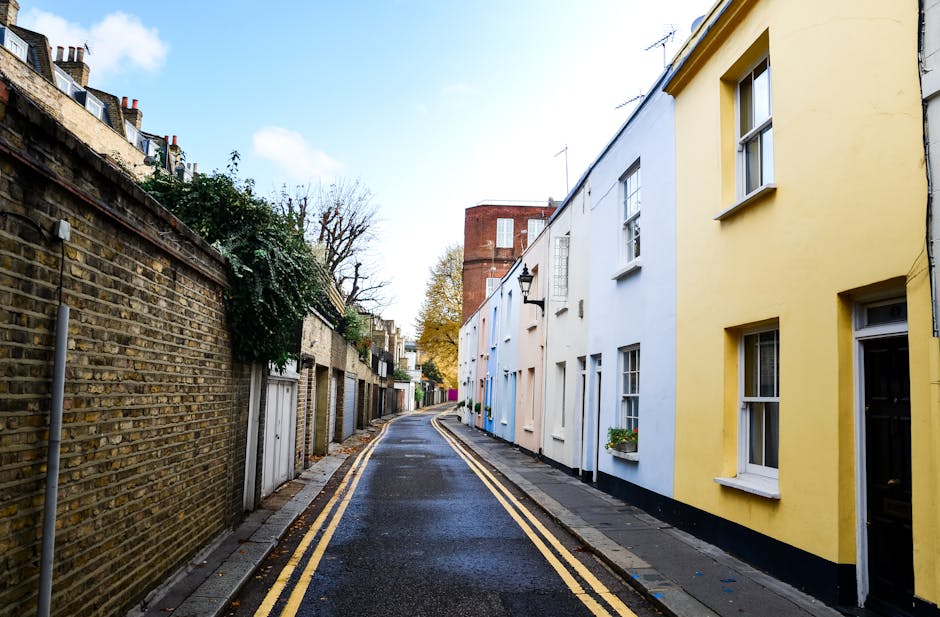
Moving house in Fulham can feel straightforward on paper, then suddenly a narrow road, a parked van, and a stairwell with a sharp turn turn the whole day into a puzzle. That is exactly why Fulham house removals SW6 tips for narrow streets matter. The right plan can save time, reduce damage, and stop a normal move from becoming one of those long, frustrating London days where nobody quite knows where to stand. If you are dealing with tight access, shared driveways, resident parking, or a street where two cars already make things awkward, this guide will walk you through the practical stuff that actually helps.
We will cover how narrow-street removals work, what to prepare before moving day, the mistakes people make in Fulham, and when it makes sense to choose a smaller vehicle or a more flexible service such as man and van removals, a moving van, or a full house removals service. Simple idea, really: the less your movers have to improvise on the kerb, the smoother everything goes.
Why Fulham house removals SW6 tips for narrow streets Matters
Fulham has plenty of streets that look charming until you try to move a sofa through them. SW6 includes a mix of Victorian terraces, mansion blocks, converted flats, and roads with limited loading space. That combination creates a few predictable headaches: blocked access, awkward turning space, long carry distances, and delays caused by parking restrictions or other vehicles already lining the kerb.
In a narrow street, every part of the move becomes more sensitive. A box left in the wrong place can slow the whole chain. A van that is too large for the road can end up forcing a re-pack or a second trip. And when neighbours are trying to get in and out at the same time, there is not much room for improvisation. The best removals plan anticipates this early, not after the crew arrives and starts scratching heads.
That is the key reason local experience matters. A mover who understands Fulham's access quirks will usually think about vehicle size, loading points, parking behaviour, and stair access before they think about speed. To be fair, speed is great. But only when the road allows it.
Expert summary: In narrow Fulham streets, the success of a house move depends less on strength and more on planning. Measure access early, choose the right vehicle, and reduce the number of improvised decisions on moving day.
How Fulham house removals SW6 tips for narrow streets Works
A successful narrow-street move usually follows a simple pattern: assess, plan, book, pack, load, and move with as few surprises as possible. The removals team needs to know where the vehicle can stop, how long it can stay, whether the property has steps or a shared hallway, and what furniture is likely to cause trouble. Once those details are clear, the move can be matched to the right vehicle and crew.
For many Fulham moves, a smaller or medium-sized vehicle makes more sense than a large lorry. That does not mean every move needs a tiny van. Sometimes a bigger vehicle works fine if the street opens out or the property sits on a wider section of road. The point is fit, not size for size's sake. If you want a more flexible setup for compact access, a removals van can be a sensible middle ground.
In practice, the crew may need to:
- park a little further away and use trolleys or shoulder carries;
- work around resident permit areas or time-limited bays;
- split the loading into staged runs;
- protect hallway corners, banisters, and door frames;
- coordinate with building managers or neighbours if access is shared.
Nothing unusual there. It is just London moving, truth be told. The difference is whether the plan reflects the street or ignores it.
Key Benefits and Practical Advantages
Good planning for narrow-street removals gives you more than convenience. It can save money, protect furniture, and reduce the risk of a stressful, drawn-out move. The value is often felt in the small things: fewer trips up and down stairs, less waiting around, and fewer chances for damage when everyone is tired and the kettle is nowhere to be seen.
- Less downtime: a realistic access plan keeps the crew moving instead of problem-solving on the pavement.
- Lower damage risk: fewer awkward manoeuvres mean fewer knocks to walls, frames, and furniture edges.
- Better timing: you are less likely to run into late-afternoon delays that snowball into evening stress.
- Smarter vehicle choice: the right van or truck size avoids wasted capacity or access problems.
- Cleaner handover: a well-organised move leaves both the old and new property in a better state.
There is also a psychological benefit. When you know the access has been thought through, the move feels manageable. That sounds soft, but it matters. People make better decisions when they are not panicking over whether a sofa will fit through a doorway at 8:45 in the morning.
Who This Is For and When It Makes Sense
This advice is for anyone moving in Fulham where access is not generous. That includes top-floor flats, houses on narrower side streets, properties near busier routes with limited stopping space, and homes where the front door opens straight into a narrow hallway or staircase. It is also useful if you are moving on a day with tight timing, a busy school run nearby, or a lot of bulky furniture.
It makes sense if:
- your road has limited or no easy loading space;
- you need to avoid blocking access for neighbours;
- you have large items such as wardrobes, beds, or white goods;
- you want a move that stays calm rather than reactive;
- you are comparing removal companies and want to know what separates a practical operator from a generic one.
It is also relevant if you are booking a service for the first time and are unsure how much detail matters. The honest answer? Quite a lot. A few clear notes about access can save everyone a headache later.
Step-by-Step Guidance
Here is the process we would recommend for a Fulham move on a narrow street. Keep it simple, but do not skip the boring bits. Those boring bits are usually the ones that stop the day from wobbling.
- Survey the street and entrance. Look at parking, turning space, nearby corners, tree branches, and any narrow points. If possible, check the route from vehicle to front door, not just the front of the property.
- Measure the awkward items. Sofas, wardrobes, headboards, fridges, desks, and mirrors need particular attention. Measurements are boring until the item gets stuck in a hallway. Then they become very interesting.
- Decide on the vehicle size. If access is tight, a full-size lorry may not be the best option. A smaller man with a van setup can be easier to position in narrow streets.
- Plan the packing order. Put essential items in one clearly labelled group and keep the heaviest or most fragile items easy to identify. This helps loading go quickly once the vehicle arrives.
- Confirm parking and loading arrangements. If your street is busy, think about timing. Early morning is often calmer than later in the day, though every road is different.
- Protect both property and furniture. Use blankets, covers, and edge protection for tight corners and doorframes. Small scratches are common in cramped spaces if nobody prepares.
- Keep communication simple. Make sure the movers know which items should come off first, where to place boxes, and whether any furniture needs disassembly before loading.
- Leave a little buffer. Even the best plans can be slowed by traffic, pedestrians, or a badly parked car. A bit of margin helps more than people think.
If you are already in the research stage, it can help to look at home moves information and compare it with a service like removals near me so you can decide whether you need a full team or a more compact setup.
Expert Tips for Better Results
These are the little things that often make the biggest difference in narrow Fulham streets. Not glamorous, but useful.
Choose the right start time
Morning moves tend to be easier because there is often less parking pressure and fewer people moving around. That said, if your street is especially busy with deliveries or school traffic, a later window may be calmer. The point is not "early is always best". It is "pick the least chaotic window for your street".
Pre-clear the access route
On moving day, a clean hallway matters more than people expect. Shoes, planters, umbrella stands, and stacked bags can become little obstacles when several people are carrying bulky items. You want a clear line from room to van. Simple as that.
Break down oversized furniture in advance
If a wardrobe can be dismantled safely, do it before the removal crew arrives. Likewise with bed frames, table legs, and shelving that is awkward to turn. In narrow stairwells, turning a large object is often harder than lifting it. That is where delays start.
Label for unloading, not just packing
Most people label boxes by room, which is good. But for narrow-street moves, also think about priority. Mark items that should come out first, items that are fragile, and anything that needs to be placed near the front door or in a specific room. It saves a surprising amount of back-and-forth.
Keep one "open first" box
This is the box with kettle, mugs, phone charger, toilet paper, a cloth, basic tools, and maybe a snack. A tiny thing, yes. But after a long day, making tea without hunting through twelve boxes feels like winning the lottery.
Ask about insurance and safety
For peace of mind, check that the removals provider is clear about protection and cover. It is sensible to review insurance and safety information before you book, especially if you have valuable furniture or tight access where damage risk is naturally higher.
And one more thing: if a mover sounds vague about access, that vagueness will not magically improve on moving day. It usually gets worse.
Common Mistakes to Avoid
Most moving problems in tight Fulham streets are not dramatic. They are small mistakes that stack up. The good news is they are avoidable if you know what to watch for.
- Booking the wrong vehicle size: too big can mean access issues; too small can mean extra trips and more handling.
- Assuming parking will be easy: in SW6, that is a risky assumption. Better to check than hope.
- Forgetting stair and hallway measurements: people measure furniture but not the turns it needs to pass through.
- Leaving packing too late: rushed packing creates fragile boxes, poor labels, and unnecessary stress.
- Not telling movers about obstacles: bins, low walls, narrow gates, and shared entrances all matter.
- Ignoring building rules: some blocks have lift booking windows, concierge arrangements, or access notes that need planning.
- Not clearing old furniture in advance: if you need an item collected, arrange it early rather than leaving it until the final day. If you do have bulky pieces to move on, a page like furniture pick-up may be useful in the broader planning stage.
The most common one? People underestimating how long short distances take when doors, stairs, and parked cars are involved. It looks like a ten-minute job from the outside. Inside the move, not so much.
Tools, Resources and Recommendations
You do not need fancy gear for a smooth move, but a few practical tools and decisions help a lot. Think of this as your quiet little moving kit.
- Measuring tape: use it for furniture, doorways, stairs, and the tightest hallway turn.
- Painter's tape or labels: ideal for marking boxes, fragile items, and priority loads.
- Protective blankets and covers: useful for sofas, wood furniture, and sharp corners.
- Sturdy bags or crates: better than flimsy bags that split on stairs.
- Basic toolkit: especially for bed frames, desks, and shelving.
- Contact details for the move day: keep one clear number ready so the crew can reach you quickly.
If you are still deciding which service type is right for the job, compare the practicality of movers, removal services, and a removal company approach. In a narrow Fulham street, the best option is usually the one that reduces handling, fits access, and gives you a clean plan rather than extra complexity.
For pricing discussions, it is sensible to review pricing and quotes early so you can compare like with like. Moving in a tight area is one of those situations where clarity matters more than a cheap headline number.
Law, Compliance, Standards, or Best Practice
For a house move in Fulham, the most relevant point is not a dramatic legal technicality. It is best practice around parking, loading, safety, and communication. If your move uses public road space for loading, you should think carefully about local restrictions, access windows, and the impact on neighbours and traffic. Exact rules vary, so do not guess. Check the practical side early and build the move around it.
From a standards point of view, a reputable removal service should be clear about:
- how it handles items safely;
- what insurance cover is available;
- how it protects furniture and property;
- what happens if access is tighter than expected;
- how payment, terms, and complaints are managed.
If you are comparing providers, you may also want to read about health and safety policy, payment and security, and terms and conditions. Those pages are not just formalities. They tell you how the company thinks about risk and service.
For people moving into larger properties or handling a combined domestic and business move, it can also help to understand the difference between house services and broader support such as office removals or commercial moves. Different move types need different levels of planning, even if the street looks the same.
Options, Methods, or Comparison Table
Below is a simple comparison of common ways to handle a Fulham move when access is tight. There is no universal winner. It depends on volume, building layout, and how narrow the street really is.
| Option | Best for | Strengths | Trade-offs |
|---|---|---|---|
| Man and van | Smaller moves, flexible access, lighter volumes | Easier to park, quicker to position, often well suited to narrow roads | May need more trips for larger homes |
| Moving van | Medium-sized household moves | Balanced capacity and manoeuvrability | Still needs careful street access planning |
| Full house removals team | Larger homes, more furniture, more complex packing | More hands, more coordination, better for heavy loads | Vehicle size and access must be checked closely |
| Small-scale pickup or partial move | Single items or reduced loads | Very flexible, less disruptive, useful in tight streets | Not ideal for full-home relocation |
If your priority is a slimmer, simpler moving day, a smaller vehicle can be the smart choice. If your priority is speed and heavy lifting, a full-service team may still be better. It depends. Annoying answer, perhaps, but the honest one.
Case Study or Real-World Example
Here is a realistic Fulham scenario. A couple moves out of a second-floor flat on a narrow SW6 road with resident parking and a hallway that turns sharply halfway down. They have a sofa, bed frames, a dining table, eight to ten boxes, and a few awkward lamps and mirrors. At first glance, they think any van will do.
Then they measure the hallway properly and realise the sofa will need to be moved carefully, not rushed. They also see that the street is tight enough that a larger vehicle would make loading awkward. The move plan changes: they choose a smaller van, split the job into sensible carry groups, and pack the items by priority. The crew arrives with a clear route, the hallway is protected, and the largest items are handled before the street gets busier.
The result is not magical. No confetti, no heroic soundtrack. Just a move that finishes on time, with fewer knocks and less stress. The couple says the best part was not the speed; it was the feeling that the day stayed under control. That is often what people remember.
If they had tried to improvise with a bigger vehicle and less planning, the day would likely have involved awkward repositioning, extra waiting, and a few tense moments on the pavement. Nobody needs that before lunch.
Practical Checklist
Use this checklist the day before and again on the morning of the move. A five-minute review can save an hour later.
- Confirm the exact moving date and arrival window.
- Check the street for narrow sections, low branches, or awkward corners.
- Measure the largest furniture items and the tightest internal spaces.
- Label boxes by room and priority.
- Pack a clearly marked essentials box.
- Clear hallways, stairwells, and entrance paths.
- Move bins, bikes, prams, and loose items out of the way.
- Confirm access notes with the removals team.
- Arrange protection for floors, doors, and corners if needed.
- Keep keys, phone, and important documents accessible.
- Review payment details and any booking terms in advance.
- Leave a little room in the schedule for delays. Just a little.
If you are still comparing providers, it is worth looking at the broader removal companies landscape alongside specific support such as house movers and house removalists. The right fit usually shows up in the details.
Conclusion
Fulham house removals SW6 tips for narrow streets come down to one practical truth: the street decides a lot of the plan. If you respect access, choose the right vehicle, pack with care, and communicate clearly, the move becomes much easier to live through. That is the real win. Not perfection. Just a calmer, cleaner day with fewer surprises.
In a place like Fulham, where the charm of the streets is tied to their tightness, moving smart is more useful than moving fast. Measure twice, confirm the route, keep the crew informed, and give yourself enough breathing room. It makes a bigger difference than people expect, especially once the first box is on the pavement and the kettle is still somewhere in the kitchen.
Get a free quote today and see how much you can save.
And if all you take from this guide is one thing, let it be this: a good move in a narrow street is not about forcing the day to go your way. It is about making the day easier for everyone involved.
Frequently Asked Questions
What is the best vehicle for a narrow street move in Fulham?
It depends on how tight the road is and how much furniture you have. For smaller or medium loads, a moving van or man and van setup is often easier to position than a larger vehicle. For bigger homes, a full removal team may still work, but the access needs checking carefully first.
How do I know if my street is too narrow for a large removals lorry?
If parked cars already make passing difficult, turning is awkward, or loading would block the road for too long, a large lorry may not be ideal. The safest approach is to measure the route and discuss it with the removals provider before booking.
Should I pack everything before movers arrive?
Yes, as much as possible. Packing in advance keeps the loading process faster and less chaotic. If the team offers packing and unpacking services, that can help, but it is still smart to have key items sorted and fragile boxes clearly labelled.
What should I tell the removals company about my Fulham property?
Tell them about stairs, lifts, narrow hallways, parking restrictions, basement access, shared entrances, and any furniture that is especially bulky or fragile. The more specific you are, the better they can plan the job.
Is a man and van service enough for a house move?
Sometimes yes, especially for smaller homes, flats, or lighter loads. It is a strong option where access is tight and flexibility matters. For larger properties, you may need a bigger removals setup.
How early should I book a move in SW6?
As early as you can, especially if you need a specific day or have access challenges. Narrow streets often require more coordination, and earlier booking gives time to discuss vehicle size, parking, and any property-specific issues.
What if the van cannot park right outside my home?
That is common in London and not usually a deal-breaker. The crew may park a short distance away and use a trolley or carry items by hand. The important thing is to plan for that possibility so the move does not slow down unexpectedly.
Do I need to dismantle furniture before moving day?
If the furniture is large or likely to get caught on stairs or turns, yes, dismantling can help a lot. Beds, wardrobes, shelving, and table legs are the usual candidates. If you are unsure, ask the movers what should stay intact.
How can I protect walls and doorframes in a narrow house?
Use padding, blankets, and careful route planning. Also clear the path before the crew starts carrying. A lot of damage happens because someone has to squeeze past a box or turn too quickly in a tight hallway.
Are there any legal or compliance issues I should think about?
The main concerns are parking, loading, safety, and any building rules that affect access. Exact local requirements can vary, so it is best to check practical restrictions in advance rather than assume the street will be easy to use.
How do I compare removal quotes properly?
Ask what is included, what vehicle is being used, whether access has been assessed, and whether packing or furniture handling is extra. A cheap quote can be misleading if it does not reflect the reality of a narrow Fulham street.
What is the smartest first step if I am moving soon?
Walk the route from the street to the front door, measure the biggest items, and talk through access with your chosen removals provider. That one step often reveals the real challenges before they become moving-day problems.